Have you ever stood in the egg aisle wondering whether brown eggs are actually better than white ones? Or why one carton says “free-range” and another says “pasture-raised,” even though they look exactly the same? I used to just grab whatever was on sale and move on, but the more I cooked with eggs, the more I realized I had no idea what any of those labels really meant, or whether any of it actually made a difference. Turns out, I wasn’t the only one.
This post may contain affiliate links. Read my disclosure policy.
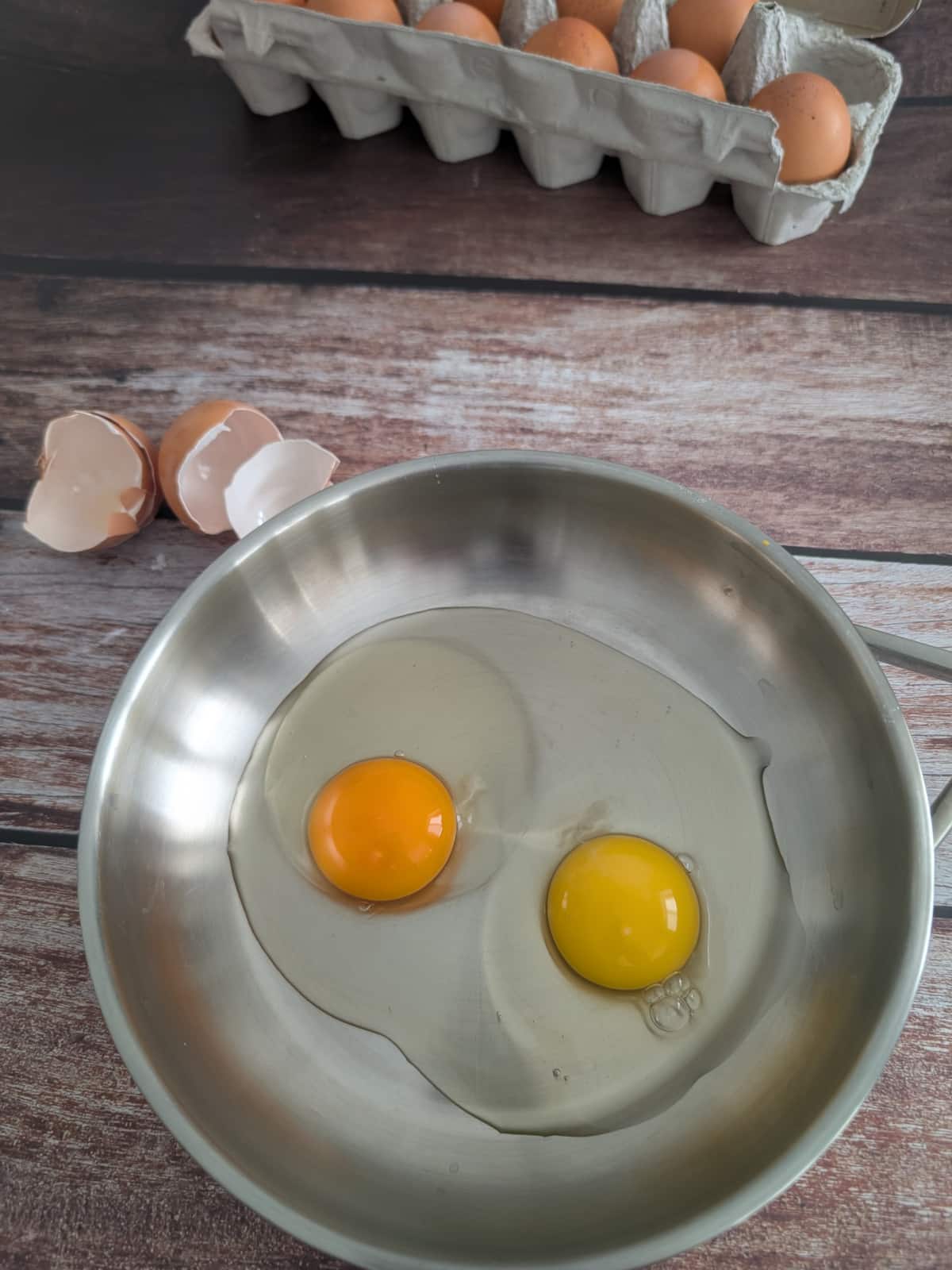
Walk into any grocery store, and the egg aisle can feel weirdly overwhelming. White eggs, brown eggs, free-range, organic, pasture-raised, omega-3 enriched. And then you crack one open, and the egg yolk color is completely different from what you expected. So what does egg yolk color actually mean, and does it really tell you anything about nutrition or quality?
The truth is, a lot of what we think about egg yolk color, shell color, and egg labels isn’t exactly right. Brown eggs aren’t automatically healthier, a darker egg yolk color doesn’t always mean better nutrition, and labels like “free-range” don’t always mean chickens are roaming outside all day. In this guide, I’m breaking down what egg yolk color, shell color, and common egg labels really mean.
If you cook with eggs often, you might also want to check out my guide on how to cook eggs perfectly for the best texture every time.
What Do Egg Yolk Color, Shell Color, & Labels Actually Mean?
- Shell color: depends on the breed of the chicken. It does not affect nutrition or taste
- Egg yolk color: depends on the hen's diet. arker yolks from carotenoid-rich diets generally indicate more nutrients, but color alone isn't a guarantee
- Egg labels: like “free-range” and “organic” are regulated, but they don’t all mean the same thing
- Pasture-raised eggs: typically come from hens with better outdoor access and a more varied diet
- No single label guarantees a healthier egg: the chicken’s diet matters most
Read on to find out more!
Jump to:
- What Do Egg Yolk Color, Shell Color, & Labels Actually Mean?
- Does Shell Color Actually Matter?
- Did you know?
- What does egg yolk color actually tell you?
- Yolk Color Guide: What it means
- Did you know?
- What do egg labels actually mean?
- Pasteurized Eggs vs. Pasture-Raised Eggs: These Two Sound Nearly Identical
- Did you know?
- Nutritional Differences: Are Some Eggs Actually Healthier?
- Did you know?
- Recipes using eggs
- Frequently Asked Questions
- Other did you know posts
- Recipe
- Comments
Does Shell Color Actually Matter?
The short answer is no. Egg shell color has nothing to do with taste, nutrition, or quality. It is simply determined by the breed of the hen that laid the egg.
In general, hens with white feathers and white earlobes tend to lay white eggs. Hens with red or brown feathers and red earlobes tend to lay brown eggs. The pigment that gives brown eggshells their color is added in the last few hours before the egg is laid, which is why if you scratch a brown eggshell, you'll sometimes see white underneath.
Shell colors you might encounter
- White Eggs: The most common type, typically laid by white-feathered breeds
- Brown Eggs: Laid by larger breeds; often more expensive due to higher feed costs
- Blue Eggs: Laid by Araucana or Ameraucana chickens; same nutrition, just a different shell color
- Green Eggs: Laid by Easter Egger chickens; created by a mix of blue and brown pigments
- Speckled Eggs: A variation of brown eggs, caused by extra pigment during the laying process
Did you know?
You can often predict egg shell color by looking at a chicken’s earlobes. White earlobes usually mean white eggs and red earlobes usually mean brown eggs. It’s not a perfect rule, but it works most of the time!
What does egg yolk color actually tell you?
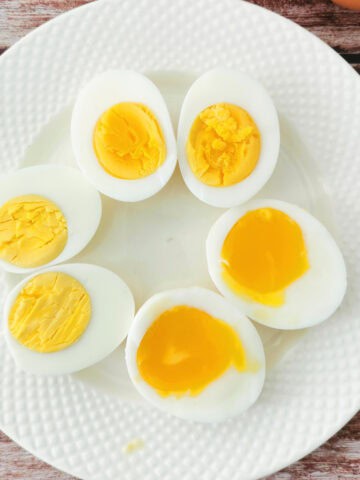
This is where things get genuinely interesting :). Egg yolk color varies from pale yellow all the way to a deep burnt orange, and unlike shell color, it does actually tell you something meaningful.
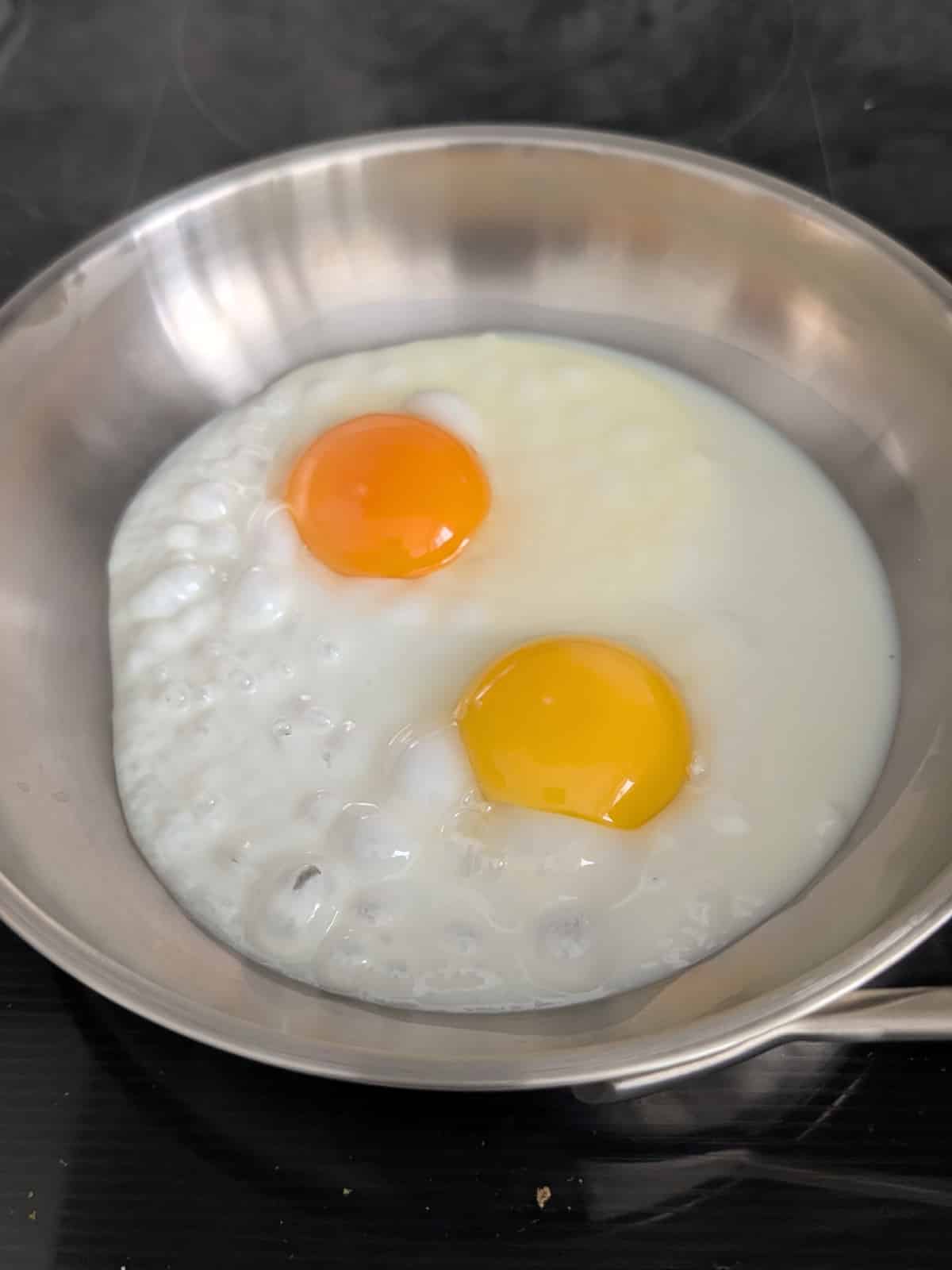
Egg yolk color is determined almost entirely by what the hen eats. Hens fed a diet rich in carotenoids (the same pigments found in carrots, marigolds, and leafy greens) produce darker, more orange yolks. Hens fed a standard grain diet of corn and wheat produce more pale yellow yolks.
This matters nutritionally because darker yolks from hens with varied, carotenoid-rich diets tend to contain more vitamin A, vitamin E, and omega-3 fatty acids. This, however, is not guaranteed. Egg yolk color alone isn’t a reliable way to measure nutrition, since farmers can influence color through feed without significantly changing the overall nutrient content.
Yolk Color Guide: What it means
- Pale yellow: Standard grain diet, little to no greens or insects
- Medium yellow: Typical grocery store egg, corn-based feed
- Deep yellow: More varied diet with some access to greens or foraging
- Orange to deep orange: Diet rich in carotenoids from pasture, plants, and insects
Did you know?
In some countries, egg producers add synthetic carotenoids to chicken feed specifically to darken yolk color, because consumers associate darker yolks with higher quality. A dark yolk from a pasture-raised hen and a dark yolk from a factory-farmed hen fed synthetic pigments can look identical. The label is what tells you the difference.
What do egg labels actually mean?
This is probably the most confusing part of the egg aisle, because the labels sound meaningful but vary significantly in what they actually guarantee. Egg labeling rules can vary depending on where you live, but the general ideas behind these terms are pretty similar across most countries.
- Conventional: No special requirements. Hens are typically raised in large indoor systems with limited space and a standard grain diet. These are the cheapest eggs and the most commonly sold.
- Cage-Free: Hens are not kept in cages and have some freedom to move around inside a barn. However, "cage-free" does not mean the hens have access to the outdoors. It is a step up from conventional, but still an indoor environment.
- Free Range: Hens must have some access to the outdoors, but the regulations around how much space and for how long are minimal. In practice, "free range" can mean a small door to a concrete outdoor area that most hens never use. Better than cage-free, but not necessarily what the name implies.
- Organic: Hens are fed a certified organic diet with no pesticides, synthetic fertilizers, or GMOs. They must also have outdoor access. Organic certification does not regulate the quality or size of outdoor space, but it does guarantee the feed quality, which directly affects yolk nutrition.
- Pasture-Raised: This is generally considered the gold standard for animal welfare and diet quality. Pasture-raised hens spend most of their lives outdoors on actual pasture, with significant space per bird. They forage for insects, worms, and plants, which dramatically improves their diet and, as a result, the nutritional profile of their eggs.
- Omega-3 Enriched: Hens are fed a diet supplemented with omega-3 sources like flaxseed. The eggs do contain more omega-3s than conventional eggs, but the hens may still be kept in conventional conditions otherwise.
- Certified Humane: A third-party certification that verifies specific animal welfare standards are met. Can be applied to cage-free, free range, or pasture-raised eggs.
Pasteurized Eggs vs. Pasture-Raised Eggs: These Two Sound Nearly Identical
One of the most common points of confusion in the egg aisle is mixing up pasteurized eggs and pasture-raised eggs.
Pasture-raised is about how the hen lives. As I mentioned above, pasture-raised hens spend the majority of their time outdoors on actual pasture, foraging for insects, plants, and worms.
Pasteurized eggs are gently heated in the shell to eliminate bacteria like Salmonella without cooking the egg. They're great for raw egg recipes, like this Homemade Mayonnaise with Avocado Oil.
Did you know?
Pasteurized eggs are required to be labeled as "pasteurized", so they're easy to spot. They're usually sold in regular cartons next to conventional eggs. Look for the word "pasteurized" printed on the carton.
Nutritional Differences: Are Some Eggs Actually Healthier?
Here's what the research generally shows when comparing pasture-raised eggs to conventional eggs:
- Vitamin A: Can be up to 2x higher in pasture-raised eggs
- Vitamin E: Can be up to 3x higher in pasture-raised eggs
- Omega-3 fatty acids: Often significantly higher in pasture-raised eggs
- Vitamin D: Higher in eggs from hens with outdoor sun exposure
- Protein: Essentially the same across all egg types
- Cholesterol: Essentially the same across all egg types
The biggest nutritional driver is diet and outdoor access, which is why pasture-raised eggs consistently outperform others, according to peer-reviewed research. Organic eggs are a solid middle ground, guaranteeing feed quality without necessarily guaranteeing outdoor access quality.
For everyday cooking, any egg will give you excellent protein, healthy fats, and a wide range of vitamins and minerals. If budget allows, pasture-raised or organic eggs are worth the upgrade, especially if you eat eggs frequently.
Did you know?
Egg yolk color can actually vary seasonally even from the same farm. Hens that have access to summer pasture will lay eggs with deeper orange yolks than the same hens in winter, when grass and insects are less available. So if your farmer's market eggs look different in January than in July, that's why.
Recipes using eggs
If you’re stocking up on eggs, here are a few easy recipes to try:
- Puff Pastry Breakfast Roulade
- Mediterranean Egg Salad with Bell Pepper Scoops
- Creamy Smoked Turkey and Egg Salad with Mayo Dressing
- 5-Ingredient Tuna Salad Deviled Eggs Recipe
- Cod Liver Deviled Eggs
Frequently Asked Questions
No, shell color is determined entirely by the breed of a hen and has no effect on nutrition, taste, or quality. A white egg and a brown egg from hens with the same diet and living conditions are nutritionally identical.
A darker egg yolk color usually means the hen ate a diet rich in carotenoids, such as leafy greens, marigolds, or insects. However, yolk color alone doesn’t guarantee better nutrition, since it can also be influenced by feed additives.
Free-range eggs require some outdoor access, which cage-free eggs do not. However, the regulations around free-range are minimal and outdoor access can be very limited in practice. Pasture-raised is the most meaningful label for both animal welfare and egg nutrition.
Egg yolk color can slightly affect taste, especially in simple dishes. Darker yolks often taste richer due to the hen’s diet, but the difference is usually subtle.
Pasture-raised eggs often contain higher levels of vitamins A, D, and E, and omega-3 fatty acids compared to other egg types. Look for the "Certified Humane Pasture Raised" label for the most verified standard.
Other did you know posts

Have you noticed a difference between yolk colors in your own cooking? I'd love to hear what eggs you buy and whether you've seen a difference. Leave a comment below! I'd love to hear from you!
If you tried any of the recipes mentioned here, leave a 🌟 star rating and let us know how they turned out. Your feedback helps us (and others) improve!
Don’t forget to tag us on social media when you try out our tips—we’d love to see your creations! 📸 #Cre8AtHome
Recipe

Mediterranean Egg Salad with Bell Pepper Scoops
Equipment
- Potato Masher optional, to mash the hardboiled eggs
- Small mixing bowl to mix the dressing
Ingredients
- 6 large eggs
- 3 tablespoons mayonnaise
- 1 teaspoon mustard
- ½ teaspoon salt
- ¼ teaspoon ground black pepper
- 2 scallions chopped
- 1 tablespoon kalamata olives chopped - add more to taste
- 2 cups mixed greens I used spinach and arugula
- 2 bell peppers mixed colors - cut into long strips (about 1-inch wide)
- 2 radishes optional, very thinly sliced

Instructions
- Hard-boil eggs by placing them in a pot, covering with cold water, and bringing to a gentle boil. Once the water starts bubbling, cook for about 10 minutes. Then transfer them to an ice bath to cool. Once cooled, peel them and add the eggs to a mixing bowl. Mash with a potato masher until they're finely crumbled.6 large eggs
- Make the dressing by mixing together the mayo, mustard, salt, and pepper in a small bowl.3 tablespoons mayonnaise, 1 teaspoon mustard, ½ teaspoon salt, ¼ teaspoon ground black pepper
- Add the diced green onion (scallions), olives, and the dressing to the bowl with the mashed eggs and mix gently until creamy and well combined.2 scallions, 1 tablespoon kalamata olives
- Layer greens on a serving platter and spoon the egg salad over them. Arrange the bell pepper strips around the platter to use as edible scoops. Optionally, top with very thin radish slices.2 cups mixed greens, 2 bell peppers, 2 radishes
Notes
-
- Cut the peppers into 1-inch wide strips. This size makes them strong enough for scooping without breaking.
-
- Dice onions and olives into similar sizes so every bite has a good mix.
- Prepare the egg salad ahead of time but assemble the rest just before serving to keep the greens and peppers crisp.
- Use peppers to scoop the egg salad, then enjoy the creamy greens with a fork. Or, scoop both together with a fork or spoon.
Comments
No Comments