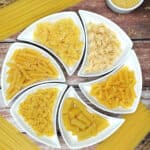
How To Cook Pasta Al Dente
In this How to Cook Pasta Al Dente step-by-step, fool-proof, guide, I'll show you the ways to achieve perfect al dente texture. Let's get started!
Servings: 4 people - see note 1 in notes section
Calories: 241kcal
Ingredients
- 4 cups water cold
- 1 teaspoon salt see note 3 in notes section below
- ½ lb. pasta dried pasta
- 1 tablespoon olive oil Or butter - to prevent pasta from sticking - not necessary if you're preparing the pasta with a sauce.

Instructions
- Fill a large pot with water, place it on the stove over high heat and bring the water to a rolling boil. See note 2 in notes section below.4 cups water
- Once the water is boiling, add salt.1 teaspoon salt
- Carefully add the pasta to the boiling water. Stir it immediately after adding it to prevent sticking. Reduce heat to medium-low. Stir the pasta occasionally while it's cooking to prevent sticking and ensure even cooking.½ lb. pasta
- Follow the package instructions for cooking times, but you can start testing for doneness a minute or two before the suggested time. Taste a small piece of pasta to check for doneness. It should be "al dente," meaning it's cooked but still firm to the bite.
- Once the pasta is cooked to your liking, turn off the stove and carefully drain (see note 4 below) the pasta in a colander or strainer in the sink.
- Rinse the pasta with cold water to stop the cooking process and cool it down quickly. This is more common for pasta used in cold salads. For hot dishes, such as soup, rinse it with hot water. Do not rinse if pasta will be in a sauce.
- You can toss the drained pasta with a bit of olive oil or butter to prevent sticking if you're not using it immediately - see note 5 below.1 tablespoon olive oil
Notes
-
- The proportions in this recipe are provided as a side dish for four people, if you are cooking pasta for the main course, you can double the portions.
-
- Salt: You can adjust the salt content through sauces and toppings, so feel free to experiment and find the right balance of salt for your taste preferences.
- Before draining the pasta, reserve a cup of the cooking water. The starchy water can be used to adjust the consistency of your pasta sauce if using.
- Don't use too much olive oil, as it can make it difficult for sauces to adhere to the pasta later.
- The proportions in this recipe are provided as a side dish for four people, if you are cooking pasta for the main course, you can double the portions.
Nutrition
Calories: 241kcal | Carbohydrates: 42g | Protein: 7g | Fat: 4g | Saturated Fat: 1g | Polyunsaturated Fat: 1g | Monounsaturated Fat: 3g | Sodium: 597mg | Potassium: 127mg | Fiber: 2g | Sugar: 2g | Calcium: 19mg | Iron: 1mg